When You Should Contact an Electrician: Common Electrical Issues That Demand Your Attention
Electrical issues might initially seem trivial, however they present considerable hazards. Dimming and flickering lights, frequent circuit breaker trips, and overheating outlets are typical indicators that a problem exists. Dismissing these indicators can result in significant safety risks. Additionally, unusual smells or the sensation of electrical shocks require prompt action. Recognizing these red flags is essential. What should homeowners do when faced with these conditions? Knowing the right actions is fundamental to keeping a safe household.
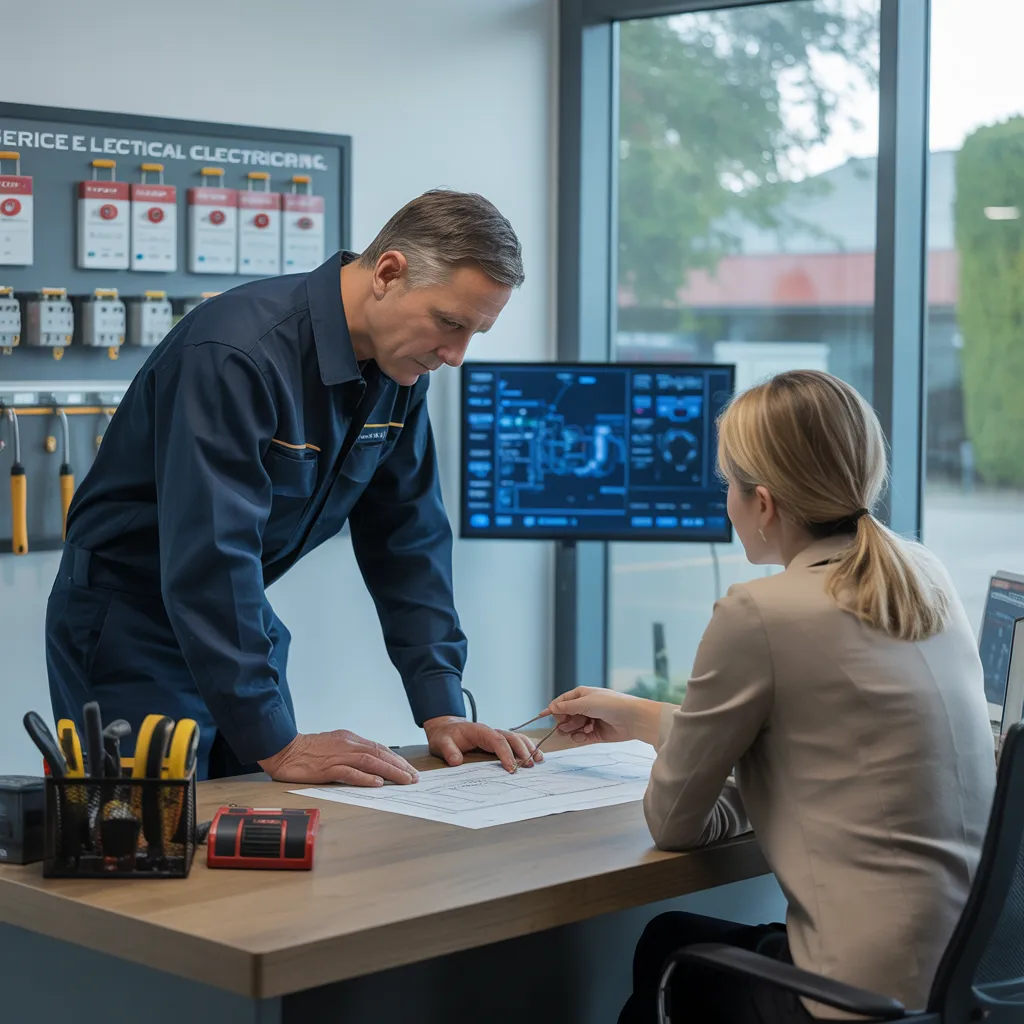
Recognizing Flickering Lights: Frequent Electrical Concerns
Flickering lights serve as a frequent warning sign of hidden electrical problems that must not be ignored. This occurrence frequently points to a loose connection, which can lead to arcing and pose fire hazards. Additionally, flickering may indicate an overloaded circuit, where multiple devices consume power at the same time, putting pressure on the electrical system. In some instances, the cause can be traced to a deteriorating light bulb or fixture, but continuous flickering points to a more severe underlying issue.
Homeowners should take note of the regularity and nature of flickering; occasional instances may be harmless, yet persistent flickering throughout several fixtures calls for expert inspection. Disregarding these warning signs can lead to further complications, including deterioration of appliances or a heightened risk of electrical fires. As a result, recognizing flickering lights as a potential warning sign is vital. Seeking the advice of a licensed electrician can confirm the reliability and performance of the home's electrical system, preventing future issues.
Why Circuit Breakers Trip
When the electrical system is overwhelmed, circuit breakers are triggered to protect against potential hazards. Multiple factors can cause this to happen. One common cause is an overload, which takes place when multiple devices demand power from a single circuit. This frequently occurs during peak usage periods, such as multiple appliances running simultaneously. Short circuits are another common trigger for breaker trips; they occur when a live wire makes contact with a neutral wire, creating a surge of electricity. Ground faults, comparable to short circuits, take place when a hot wire makes contact with a ground wire or grounded surface, creating additional electrical hazards. Additionally, faulty wiring or damaged devices can contribute to breaker trips, suggesting deeper problems that may need expert evaluation. Routine checks and upkeep can help detect these issues before they worsen, ensuring a safer electrical system. Recognizing the signs of circuit breaker trips is essential for maintaining a well-functioning home electrical setup.
Detecting Spark or Overheating Outlets
Spark or overheating outlets can signal serious electrical problems that require immediate attention. If an outlet is emitting sparks, this commonly points to a short circuit or loose wiring, both of which carry serious fire hazard potential. Property owners must stay alert to overheating indicators, including discoloration, heat, or a burning odor coming from the outlet. Excessive heat may result from overloaded circuits or defective wiring, causing damage that could undermine electrical safety.
When sparks or extreme heat become apparent, it is crucial to stop using the outlet immediately and to disconnect any plugged-in devices. Immediate consultation with a qualified electrician is recommended to assess and correct the situation. Disregarding these indicators can cause significantly worse results, like fire hazards or substantial deterioration of the home's electrical system. Acting swiftly can secure safety and eliminate the risk of further damage.
Risks of Burning Smells or Odors
Burning smells or odors in a home can serve as a clear indicator of electrical hazards that require prompt action. These scents commonly point to malfunctioning appliances, faulty insulation, or overheating wires. Ignoring such signs can result in serious outcomes, including dangerous electrical fires that carry substantial risks to safety and property.
The source of the burning smell can be hard to identify, as it could emanate from multiple locations, such as circuit breakers, appliances, or outlets. Residents should remain watchful and act promptly if they observe these scents, as they frequently indicate that electrical wiring is damaged or strained.
Immediate measures involve disconnecting devices and avoiding the affected area until a professional can assess the situation. Dealing with burning smells promptly can prevent escalation into serious hazards, keeping the household safe. Reaching out to a qualified electrician is necessary for detecting and fixing such serious electrical concerns.
The Importance of Not Ignoring Electrical Shocks
Electrical shock incidents, irrespective of how strong they are, can signal serious underlying issues that demand immediate attention. Ignoring these shocks not only carries potential health dangers but may also point to defective wiring or additional serious electrical faults. Addressing the cause promptly can prevent more severe hazards in the future.
Potential Health Risks
Disregarding the indicators of electrical shocks can lead to severe health risks that should never be underestimated. Even slight shocks may suggest underlying issues that can worsen, posing substantial dangers. The human body conducts electricity, and interaction can result in a variety of injuries, from minor burns to serious trauma, including cardiac arrest. Prolonged or repeated shocks heighten the likelihood of nerve damage and other chronic health complications. Additionally, the psychological impact of experiencing electrical shocks can lead to stress and apprehension surrounding electrical appliances. It is vital to handle any shocking incidents immediately to prevent potential injuries and preserve overall well-being. Seeking professional help ensures that the root causes are identified and resolved effectively, reducing health risks associated with electrical issues.
Underlying Electrical Problems
Why do seemingly insignificant electrical shocks often point to deeper issues within a residential wiring system? These shocks, often dismissed as trivial, can indicate significant underlying problems such as faulty wiring, damaged insulation, or poor connections. Even a mild shock may originate from damaged circuits that could present serious safety hazards, such as electrical fires. Property owners must understand that recurring shocks could indicate ground faults or circuits under excessive load, both of which demand prompt action. Overlooking these indicators can cause increasingly serious complications, ultimately endangering both the home and those living within it. Therefore, upon encountering electrical shocks, it is critical to seek the expertise of a licensed electrician to identify and resolve potential dangers before they develop into more serious electrical failures or incidents.
Warning Signs of Aging Wiring That Demand Immediate Action
Outdated wiring may present with a number of warning signs that require immediate action. Flickering lights, constant circuit breaker failures, and dark staining near electrical outlets may indicate potentially dangerous electrical faults. Recognizing these symptoms early can prevent hazardous situations and ensure the safety of your home.
Lights Flickering Issue
Flickering lights often reveal critical electrical concerns that need prompt action. This occurrence commonly suggests concerns including aging wiring, faulty connections, or circuits drawing too much power. Such concerns can cause an unstable flow of electricity, causing not only inconvenience but also potential hazards like electrical fires. Homeowners should take note of frequent flickering, especially if it occurs with multiple fixtures or outlets. Ignoring these signs may escalate into more severe electrical problems, including potential damage to appliances or an increased fire risk. Reaching out to a certified electrician is critical for determining the source of the problem and performing the required repairs or upgrades. Timely intervention can help guarantee safety and maintain the integrity of the home's electrical system.
Repeated Circuit Breaker Interruptions
When a circuit breaker frequently trips, it frequently suggests serious concerns that demand immediate action. This occurrence may signal an overwhelmed circuit, where multiple further information devices consume power at the same time, or a short circuit, which can present serious safety hazards. Additionally, aging wiring may fail to meet contemporary electrical requirements, causing frequent malfunctions. Repeated tripping may also indicate faulty breakers, which may need to be replaced to maintain safety and performance. Overlooking these warning signs may result in increased electrical risks, including the risk of fires. Homeowners should consult a licensed electrician to identify the problem and suggest suitable remedies, ensuring the electrical system functions reliably and safely. Prompt action can prevent further complications and enhance overall home safety.
Discoloration Around Outlets
Staining around electrical outlets stands as a telling signal of possible wiring problems that require immediate attention. This discoloration typically manifests as yellow, brown, or black marks, which can indicate overheating or electrical arcing, situations that create significant fire hazards. Electrical connections may be loose or corroded, causing elevated resistance and thermal buildup. Overlooking these warning signs can lead to additional harm to the wiring system or create hazardous situations. Residents ought to make safety a priority and regard these marks as serious alerts. Reaching out to a certified electrical professional is essential to assess and remediate the situation, guaranteeing that the wiring operates safely and reliably. Resolving these concerns quickly can help circumvent costly future repairs and strengthen the general safety of the residence.
How to Select the Best Electrician for Your Requirements
What steps can someone take to ensure they choose the right electrician for their particular requirements? The first priority should be confirming proper credentials. A licensed electrician demonstrates compliance with local regulations and safety standards. Homeowners should also seek recommendations from friends or family to find reputable professionals.
Additionally, checking online reviews and testimonials can provide insight into an electrician's trustworthiness and caliber of service. It is wise to request multiple bids to evaluate pricing and available services. In addition, potential clients should inquire about the electrician's background with particular projects, making sure their experience aligns with the required work.
Finally, clear communication is essential. A qualified electrician should be willing to discuss the job, provide solutions, and resolve any issues. By following these guidelines, people can make informed decisions, guaranteeing they select an electrician who satisfies their particular demands with skill and professionalism.
Common Questions and Answers
What Is the Safe Way to Reset My Circuit Breaker?
To securely reset a circuit breaker, start by switching off all connected devices. Then, find the breaker panel, identify the tripped breaker, and firmly move it to the 'off' position, then back to 'on'.
What Should I Do if My Outlet Feels Warm?
When an outlet feels warm, one should immediately unplug any devices connected to it. This might suggest an overload or underlying fault. It is essential to consult a qualified electrician to address potential hazards and ensure safety.
Are DIY Electrical Fixes Safe to Try?
DIY electrical repairs can be risky and are rarely advisable for anyone without adequate technical knowledge. Mistakes may lead to significant safety risks, including fire hazards or electric shock, making professional assistance advisable for any substantial electrical concerns.
How Regularly Should I Schedule a Wiring Inspection?
Home wiring needs to be checked every three to five years, or earlier if abnormal signs are present. Periodic inspections work to maintain safety, preserve efficiency, and prevent potential hazards linked to aging or faulty electrical systems within the household.
What Are the Signs of a Faulty Light Switch?
Indicators of a defective light switch involve flickering lights, a switch that feels warm to the touch, odd noises including crackling sounds, and difficulty in turning the switch on or off smoothly. Such problems require the attention of a professional.